
Polyethylene Body Armor: Why Lightweight Poly Plates are the Future
In the world of personal protection, the “heavy lifting” is finally a thing of the past. Polyethylene body armor plates, or “poly plates,” are changing the game for law enforcement and prepared citizens alike.
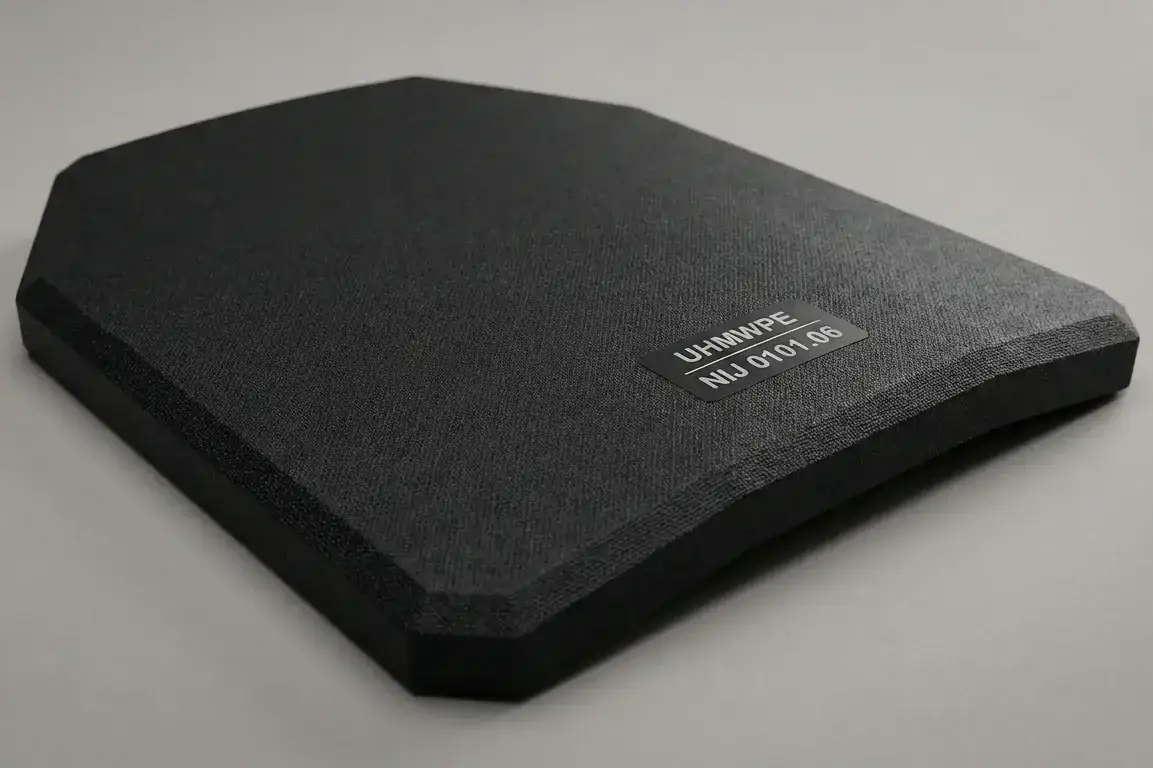
Made from Ultra-High-Molecular-Weight Polyethylene (UHMWPE), these plates provide high-level protection without the back-breaking weight of steel or the fragility of ceramic.
How Do Polyethylene Plates Work?
Unlike steel, which shatters a bullet on impact, polyethylene works through friction and heat. When a round strikes the plate, the energy causes the polyethylene fibers to melt slightly, “grabbing” the bullet and dispersing its energy across thousands of high-strength layers. This process stops the projectile in its tracks and prevents it from penetrating.
Why Choose Poly Plates? (6 Key Benefits)
1. Incredible Lightweight Comfort
The most immediate benefit is the weight. A standard poly plate weighs between 3 to 4 pounds, whereas steel or ceramic counterparts can weigh 8 pounds or more. Over a 12-hour shift, that weight difference is the difference between peak performance and total exhaustion.
2. Multi-Hit Capability
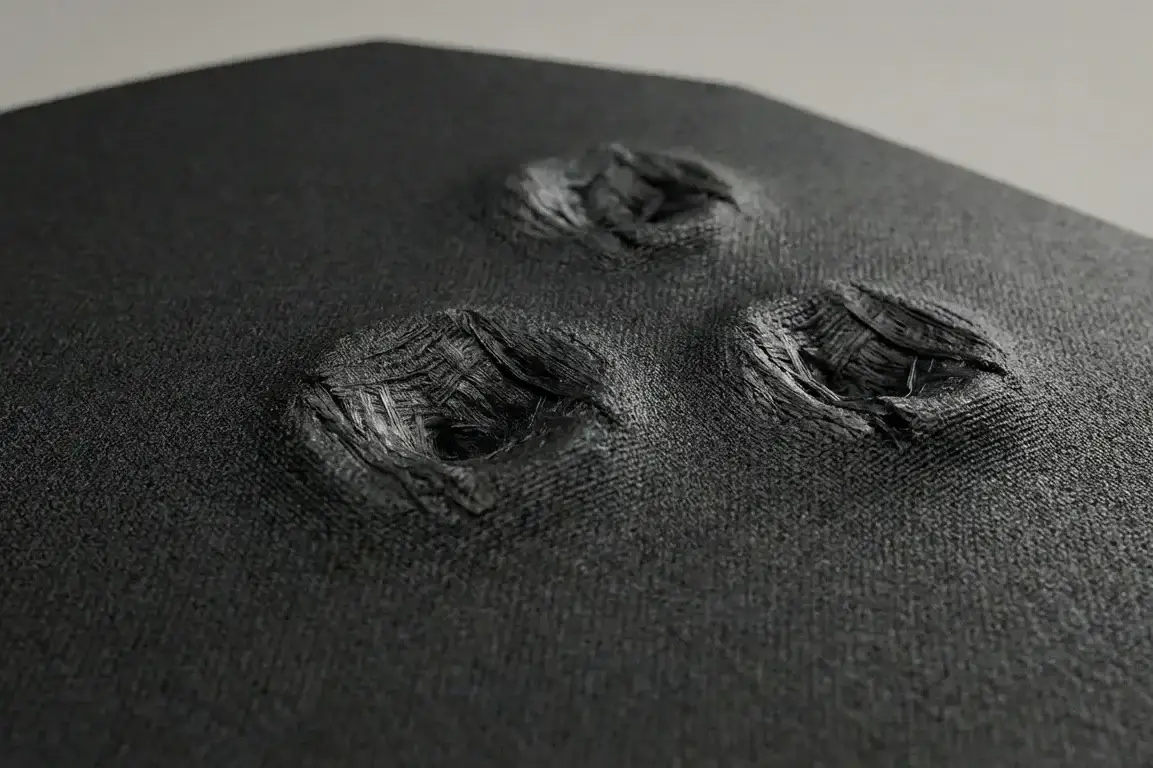
High-quality poly plates are incredibly resilient. Because the material is fibrous rather than brittle (like ceramic), it can sustain multiple hits in a tight group without the plate falling apart.
3. Zero Spall Risk
Polyethylene absorbs the entire round, eliminating the risk of fragmentation injuries.
4. It Actually Floats
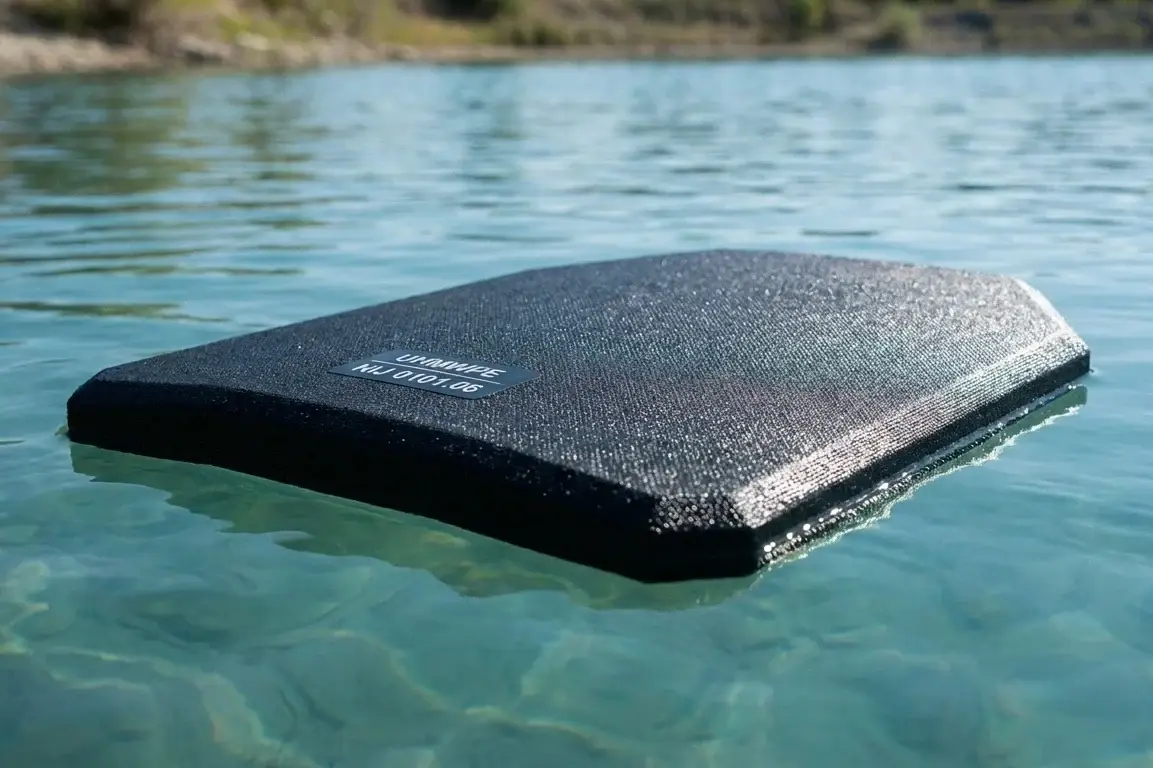
One of the most unique features of UHMWPE is its density. Poly plates are positively buoyant, meaning they float in water. For maritime security or operations near water, this is a life-saving feature.
5. Corrosion & Weather Resistance
Sweat, rain, and salt spray can ruin steel armor over time. Polyethylene is chemically inert and waterproof, making it virtually immune to environmental degradation.
6. Thermal Comfort
Steel plates act as heat sinks, getting freezing cold in winter and scorching hot in summer. Polyethylene is a poor conductor of heat, meaning it stays comfortable against your body regardless of the climate.
Things to Consider Before You Buy
While poly plates are elite for mobility, there are two trade-offs to keep in mind:
- Heat Sensitivity: Do not store your plates in a hot car (180°F+). Extreme heat can eventually weaken the molecular bonds of the polymer.
- Thicker Profile: Because they rely on layers of fiber, poly plates are often slightly thicker (approx. 1 inch) than steel plates.
The Verdict: Is Poly Armor Right for You?
If you value mobility, speed, and long-term comfort, polyethylene is the clear winner. While steel is cheaper, the physical toll of carrying that weight often outweighs the savings. For most tactical applications and civilian defense, “going poly” is the best investment in your safety.