
What do Trauma Pads Do? Should You Add A Pad?
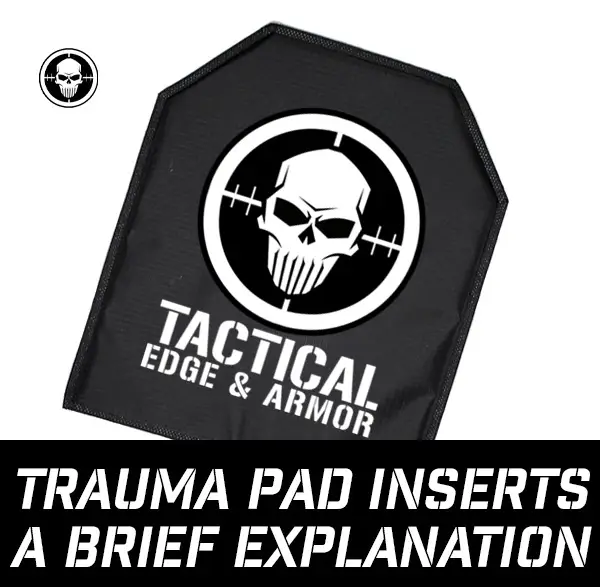
Understanding Trauma Pads and their Use In Soft & Hard Armor
Trauma pads, sometimes referred to as blunt trauma pads, play a crucial role in enhancing the protection provided by body armor. They are designed to reduce the impact of a bullet or projectile that has been stopped by the armor, thus minimizing the risk of injury from blunt force trauma. While ballistic armor plates are responsible for stopping projectiles, trauma pads help mitigate the force that remains after the bullet is arrested by the armor. Here’s a breakdown of what trauma pads do and why they’re important:
1. Reducing Backface Deformation
One of the primary functions of trauma pads is to reduce backface deformation (BFD), which is the bulging or indentation of the armor’s inner surface upon impact with a projectile. When a bullet hits the armor, the energy from the impact causes the armor material to compress, and this compression can create a noticeable depression on the side facing the wearer.
Backface deformation can result in internal injuries, even if the armor successfully stops the bullet. Trauma pads absorb some of the energy and distribute the force more evenly across the surface of the armor, helping to reduce the amount of deformation that occurs. This helps prevent or lessen the severity of blunt trauma injuries like bruising, broken ribs, or even internal organ damage.
2. Absorbing and Spreading Impact Force
Trauma pads are typically made from energy-absorbing materials such as foam, rubber, or specialized polymers. These materials work by absorbing and dissipating the impact energy that the armor receives when it stops a bullet or other projectile. The force is spread over a larger area of the body, reducing the concentration of energy that reaches the wearer’s body. This impact dispersion helps prevent localized injuries that could occur from a direct, intense blow.
3. Improving Comfort and Wearability
In addition to their protective function, trauma pads can also improve the comfort and fit of the body armor. They act as cushioning, providing a softer interface between the armor plate and the body. This reduces the discomfort that may result from prolonged wear, especially in high-stress situations. Trauma pads can also help in alleviating the pressure points caused by the rigid armor plates.
4. Enhancing Overall Armor Performance
While armor plates are designed to stop projectiles, trauma pads improve the overall performance of the body armor system by ensuring that the wearer is protected from both ballistic threats and the impact forces that come with those threats. This dual-layer of protection—first stopping the bullet and then reducing injury from impact—makes trauma pads an essential addition to high-quality body armor.
5. Trauma Pad Types and Placement
Trauma pads are typically placed behind the ballistic armor plates and can be found in both soft armor vests and hard plate carriers. They are often used with hard armor plates (Level III or IV), which are designed to protect against rifle rounds, as these rounds produce higher impact forces than handgun rounds. Some trauma pads are designed for specific types of armor or plates, and they may be customized for certain needs, such as maximizing comfort or improving energy absorption.
Conclusion
In summary, trauma pads are vital components of body armor that significantly enhance the wearer’s protection by reducing backface deformation and blunt trauma injuries caused by the impact of a projectile. By absorbing and spreading out the impact force, trauma pads not only improve safety but also comfort, making them an important addition to any armor system. Whether for law enforcement, military personnel, or anyone who relies on ballistic protection, trauma pads are an essential feature for ensuring the best possible outcomes in high-risk situations.