
What Do Trauma Pads Do?
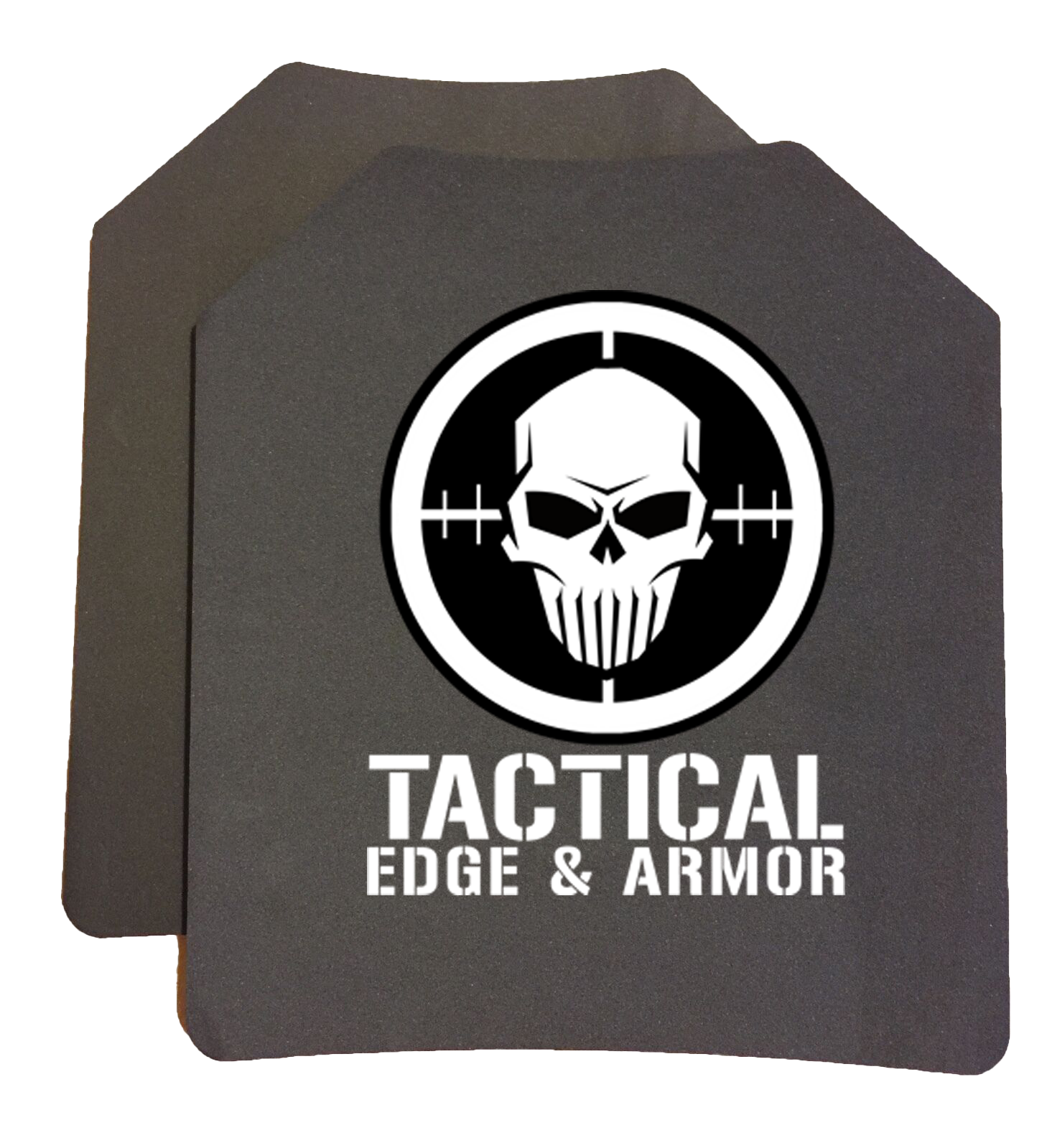
With the technological advancement of the armor industry, new and innovative developments are being introduced to allow for more protection and safety for the wearer against all sorts of projectiles. From high-rated shields to hard multi-curved plates, the options to gain maximum comfort and protection are vast. With those developments are introduced Add-on options for bulletproof vests that allow the wearer to add extra protection and ballistic strength which help in minimizing the damage and trauma transferred to the wearer which otherwise would leave its effects. Let’s find out in detail how trauma pads work.

What Is a Trauma Pad and What Does It Do?
Trauma pads are added-on accessories that can be utilized with bulletproof vests. These cushions lessen any projectile’s ballistic force. The name “trauma pads” refers to shields that lessen the force and resistance that the bulletproof vests produce while also lessening the trauma. When a projectile hits, the energy is transferred to the wearer via the pads, which reduces the trauma inserted into the bulletproof vests and the energy transferred, providing greater protection in bulletproof vests. These are added on and positioned on the front, back, or sides.
Trauma Pads are used mostly by soldiers, law enforcement officers, and citizens who take part in tactical activites . These pads are an important and beneficial option as Add-ons to armors to maximize protection and minimize trauma and fatigue. Trauma pads absorb the energy delivered by the bullet as well as the hit power and later minimize the deforming which otherwise affects the chest by penetrating to approximately 1.7 inches inside it.
The debate about the requirement of Trauma Pads and them being a mandatory part of your body armor is still underway. Unfortunately, some carriers and bulletproof vests do not come with trauma plates. The NIJ requirements also stipulate that soft body armor must be worn entirely unaltered. Users wearing bulletproof vests can survive hazards such as mass shootings and battles even without trauma cushions. Some users assert that having an additional insert lessens the risk of fatal trauma.
Materials Trauma Pads are Made Of:
Trauma Pads are always available in different materials offering different capabilities and ballistic protection, each for a different type of combat. The materials are high-military grade and highly composed of pure sub-ordinates while being used to make the plates. The following are the different materials Trauma Pads are offered in:
• Metal: Aluminum and titanium are used to make metal trauma pads, which help to lessen the amount of energy that is passed to the wearer. Steel is used more as it bends very little from the impacts and absorbs less energy, and because it is resistant, a small amount of energy is still transferred to the wearer through it but Metal is useful as it does not deform and hence no injury is dealt by the wearer.
• Ceramic: These are hard, and lightweight plates which are popular in the military, and completely absorb the impact of the missile. This material is made up of boron carbide, silicon carbide, and other relevant and hard materials. Ceramics is lighter than metals, but more rigid which allows it to stop velocity bullets.
• Plastic: Unlike other types, plastic plates feature polycarbonate components that provide more force in absorption. Require the trauma pads to be multi-layered with plastic materials and it can create a resistance force like the light metal plates. Plastic pads however do work less effectively when it comes to absorbing and distributing the energy of a projectile. The different type of plastic used is a viscoelastic polymer which is very useful in terms of its ability to absorb and distribute high amounts of energy and shock received. It is completed with the composition of another highly viscous, and elastic polymer fluid to make up the physical properties of the material.
• Nanomaterials: Materials made of carbon nanotubes and nanocomposites may have strength-to-weight ratios that are better than those of other materials. Future trauma plates and anti-ballistic textiles can be made from it. Nanomaterial plates are also offered for sale commercially.
• Fabric: Also referred to as soft-trauma pads, fabric plates must be layered to be useful; the most popular material used is polyethylene.
Types of Trauma Pads:
Trauma pads come in a wide range of sizes, shapes, and materials. Trauma pads often come in rectangle shapes, however, depending on the situation, they can also be found in hexagonal, rounded rectangle, and SAPI (small arms protective insert) shapes. Trauma Pads are available in variants ranging in size from 5 inches by 7 inches, 6 inches by 8 inches, and 6 inches by 9 inches size.
Be aware that the military-grade ballistic vest includes a hard trauma plate-like insert in a sizable portion of the garment if you plan to use the trauma pad with it. Additionally, since it is part of the vest, we can assume that this insert consists of trauma cushions or plates.
A SAPI is comparable to a trauma pad. For instance, the exterior vest of a SAPI carrier features an aramid component into which the wearer can put various ballistic inserts.
Benefits of Trauma Pads:
Bullets that strike a bulletproof vest’s ballistic plate are deflected, but they still have the energy to pass past the plate and pierce the vest for around 44mm (about 1.7 inches) within the wearer’s body. Although it has a small impact, your body is nonetheless subjected to a blunt force injury, not to mention the effect it has on your back. The ballistic plate is deformed from behind by the bullet by roughly the same amount.
The Trauma pad’s goal is to lessen the amount of energy that is passed throughout your body and minimize potential harm. The pad has two purposes: it resists and reflects the energy transmitted by the bullet while also absorbing some of the deformations into itself to lessen the direct effect on the ballistic vest. It accomplishes this by transferring the energy from the bullet onto a wider area of the pad and resisting and dispersing it there, so lowering the energy imparted to the wearer.
Applications of Trauma Pads:
The Type III/IV hard armor plates are the most popular bulletproof vests. To perhaps reduce the penetration of the bullets and prevent any penetrating injuries, military people, police officials, and residents all wear those bulletproof vests in addition to a soft armor plate. Additionally, a soft armor plate serves as a kinetic energy absorber for the projectile.
Although there isn’t much information on how to use a trauma pad effectively, it was created to improve the wearer’s safety and lower the risk of trauma. Soft trauma pads are frequently included in the chest armor package. For instance, the heart and lungs are often hidden in most designs. As inserts for strong bulletproof body armor, soft pads composed of high-density materials, such as plastic, are employed. These inserts are always located on the underside of the armor plate.
Since hard armor plates limit the effect of penetration and absorb energy similarly to soft armor plates but still expose users to behind-armor blunt trauma, this practice is currently the most popular among users (BABT). The Trauma Pads are the greatest low-cost and weight-saving alternative that provides practicability and maneuverability instead of adding soft or hard armor plates to your vests.
Trauma Pad vs Gauze:
Trauma pads are used to add an additional layer of security and comfort to those wearing body armors and are especially engineered to absorb kinetic energy hitting a person during trauma situations.
Whereas, gauze is a thin fabric having loose open weaves known for its wound dressing, cleaning and such other related purposes. These highly absorbent pads keep the fluids such as blood away, therefore, helping the injured part of the body to stay protected from germs and dust.
Conclusion:
It is your choice to use a Trauma Pad as an Add-on item on your bulletproof vest or not and have the added protection. However, it is highly recommended to always have additional protection than your anticipated threat because in today’s era of fast development you can never expect at what speed and power a projectile will hit you. Hence having additional protection than anticipated is always a better and safer option for you.
Both soft and heavy armor plates can be easily replaced with trauma cushions. Even if these plates are important and heavy armor plates can be prohibitively expensive despite having attributes that are superior to those of soft armor plates, they can become quite bulky in the case of steel plates, which reduces usability and increases cost. Trauma cushions provide minimal defense against typical steel plates. Trauma pads come in a variety of sizes and shapes to suit the wearer’s specific needs. To ensure there are no problems when adding trauma pads to our bulletproof vests, they are smaller than the standard vest size.
Consider including a trauma pad on your list of must-have items to ensure the safety of your loved one. It can be fastened to both your child’s bulletproof bag and your bulletproof vest.
If you are looking to purchase Trauma Pads that fit perfectly to the size of your bulletproof vest and according to the material of your choice, Tactical Edge and Armor offers a vast array of options as well as expert advisory for you to benefit from when purchasing your perfect Trauma Pad!