
Body Armor Practical Applications
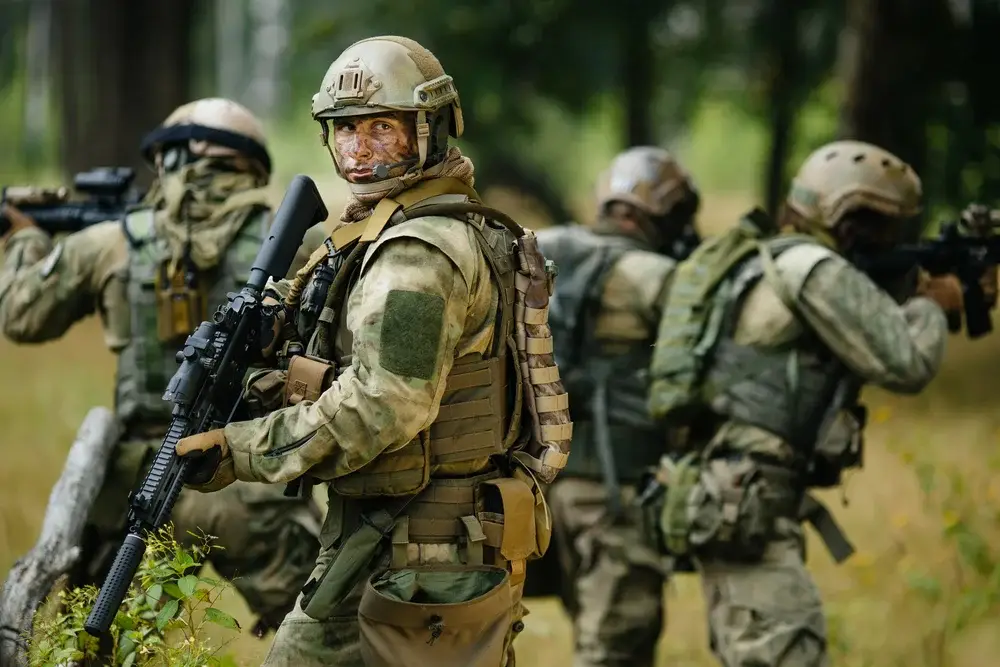
We get asked by many customers, what are the practical applications and use of body armor. So we’ve created a list below of practical body armor application for both the non-private and the private sector.
Law Enforcement and Police Officers:
- Personal Protection: Body armor is extensively used by law enforcement officers to protect themselves from firearm threats while performing their duties, such as responding to high-risk situations, executing search warrants, or engaging in tactical operations.
- Riot Control: Body armor provides protection for officers during crowd control situations where they may face projectiles, thrown objects, or melee attacks.
Military Personnel and Combat Operations:
- Ballistic Protection: Body armor is essential for military personnel deployed in combat zones to protect against ballistic threats, including bullets and shrapnel from explosive devices.
- Fragmentation Protection: Body armor provides defense against fragmentation and blast effects caused by improvised explosive devices (IEDs) and other explosive weapons.
- Enhanced Mobility: Modern body armor designs aim to balance protection and mobility, allowing soldiers to move more freely while maintaining adequate defense.
Security Professionals and Private Sectors:
- Personal Security: Body armor is utilized by private security personnel, executive protection agents, and individuals at high risk of targeted attacks to enhance personal security.
- Cash-in-Transit: Security personnel responsible for transporting valuable assets, such as cash or valuable goods, often wear body armor to mitigate the risks associated with robbery or armed attacks.
Emergency Response and Crisis Management:
- SWAT Teams: Special Weapons and Tactics (SWAT) teams employ body armor during high-risk operations, hostage situations, or dealing with armed suspects.
- Emergency Medical Services: In situations where medical personnel are exposed to potential violence, such as in conflict zones or mass casualty incidents, body armor provides protection while administering critical care.
Civilian Self-Defense and Personal Protection:
- Home Defense: Individuals concerned about personal safety can choose to wear body armor for added protection during home defense scenarios.
- Active Shootings: In situations where an active shooter or assailant is present, civilians may opt to use body armor to increase their chances of survival until law enforcement arrives.
Outdoor Activities and Sports:
- Hunting and Shooting: Body armor can provide additional protection to hunters and shooters, particularly during activities where accidental firearm discharge or stray bullets may pose a risk.
- Extreme Sports: Participants in extreme sports such as paintball, airsoft, or competitive shooting events may utilize body armor for increased safety and protection.
It’s important to note that the specific use of body armor may vary depending on regional regulations and individual needs. Additionally, it’s crucial to ensure that the appropriate type and level of body armor are chosen for the intended purpose, considering factors such as threat level, comfort, and mobility requirements.